

Anti-Gravity suspension shifts load to your hips and lets you fine‑tune the fit so the pack nearly disappears on long, heavy hikes.
We may earn a small referral fee
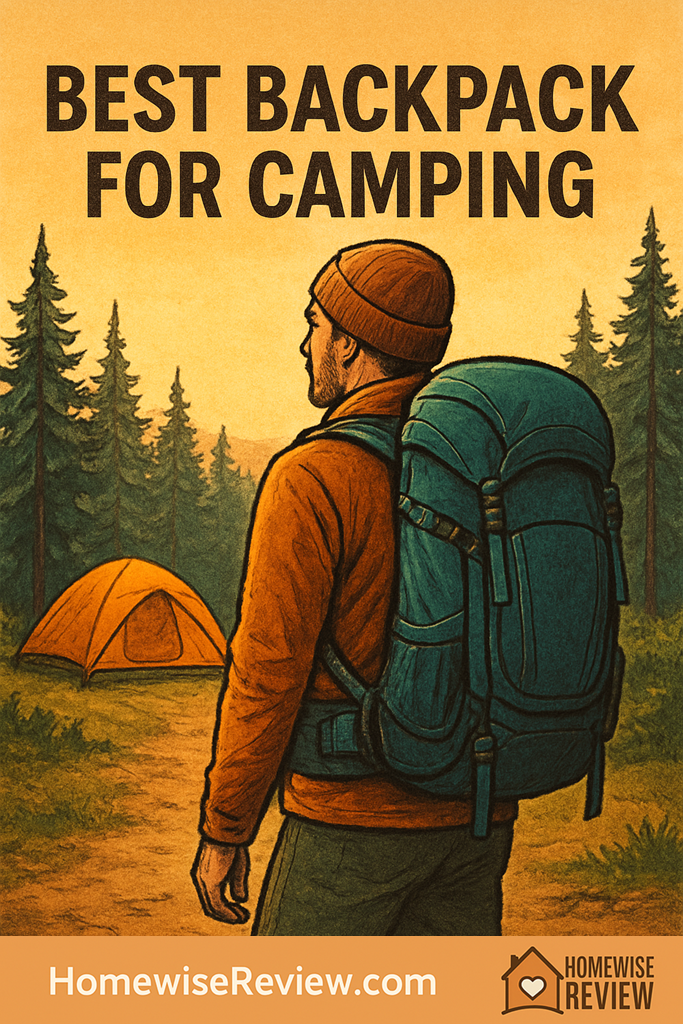
A great camping backpack disappears on your back, even when the miles and weight add up. These picks prioritize real comfort, stable carry, and the adjustability you need to avoid sore shoulders and hot spots.
✨ 2026 Spotlight
2026 Spotlight: This year’s camping-pack conversation is putting extra emphasis on lighter builds, broader torso adjustability, and pocket layouts that are easier to use on the move. Alongside stalwarts like the Osprey Atmos AG 65, Osprey Aura AG 65, and REI Co-op Flash 55, newer attention has also gone to the Osprey Exos 58, Gregory Paragon 58, and ULA Circuit for hikers who want to trim weight without giving up all-day comfort. If you are shopping this season, compare how each pack handles a realistic load, since suspension feel and hip-belt shape still matter more than specs on a tag.
In-depth Reviews
Osprey Atmos AG 65
- Excellent weight transfer to the hips when properly fitted
- Ventilated back panel helps reduce sweaty hotspots
- Easy-to-use organization for layers and small items
- Can feel overbuilt for ultralight or minimalist kits
- Fit is great when tuned, but not instant out of the box
Osprey Aura AG 65
- Contoured harness and hip belt improve comfort for many bodies
- Supportive suspension that stays steady on uneven terrain
- Well-placed pockets for quick trail access
- Can feel like more pack than you need for simple weekend kits
- Not the lightest option in its category
Gregory Baltoro 65
- Very supportive carry when weight is high
- Stable feel with minimal sway on rough trails
- Durable build that holds up to repeated seasons
- Heavier than most packs in the same size range
- Overkill for light summer weekend trips
Deuter Aircontact Core 60+10
- Supportive, structured carry that stays balanced
- Adapts well to changing trip lengths and gear volume
- Comfortable hip belt that helps keep the pack planted
- Can run warm compared with more ventilated back panels
- More straps and adjustments than minimalist packs
REI Co-op Flash 55
- Light, streamlined feel on trail
- Simple organization that encourages efficient packing
- Great performance when loads are kept reasonable
- Less comfortable if you routinely carry heavy or bulky loads
- Requires more careful packing to prevent load shift
Buying Guide
Quick Fit and Load Trick: Make Any Pack Feel Better Before You Buy
Do a two-minute “store load test” the right way. When you try on a pack, do not just toss in a couple of pillows and call it good. Ask for weighted bags, then tighten the hip belt first so it sits centered on your hip bones. Next, snug the shoulder straps until they lie flat, then tighten the load lifters just enough to pull the pack in without lifting the shoulder straps off your body. Walk up and down stairs and do a few slow torso twists; you’re listening for sway and looking for pressure points.
Pack heavy, close, and calm. The most common reason a backpack “feels too heavy” is not the total weight, it’s where the weight sits. Dense items should ride close to your spine so they do not lever you backward. If the pack feels like it’s pulling you away from the trail, move the heavy stuff inward and use side compression straps to remove any dead space. A stable load reduces fatigue faster than shaving a few ounces.
Fix hot spots early, not after miles. If you notice shoulder rub or a hip-belt pinch in the first 10 minutes, stop and adjust immediately. Tiny issues become painful fast once you’re warm and sweaty. Loosen everything, re-seat the hip belt, then re-tighten in order. If you cannot get relief without over-tightening the shoulder straps, it’s usually a fit mismatch, not an adjustment problem, and switching pack sizes or models will save your trip.
💡 Editor’s Final Thoughts
Final Verdict: The Osprey Atmos AG 65 is our top pick because it balances all-day comfort, smart adjustability, and stable carry better than most packs people actually keep for years. If you regularly haul heavier loads or want a more structured feel, step up to the Gregory Baltoro for extra support without guesswork.
See also
If you’re building a campsite kit beyond your pack, start with our best portable Bluetooth speakers for camping to keep evenings relaxed without draining your phone battery.
- Kids travel headphones that stay comfy and secure
- Kid-friendly tablets for travel days and camp downtime
- Travel board games for toddlers that pack small
- Air purifiers for cabins and RVs
Frequently Asked Questions ▾
What size backpack is best for camping?
For most adults, a pack in the mid-size range works for the widest mix of trips: big enough for a tent, sleep system, layers, and food, but not so huge that you’re tempted to overpack. If you’re doing car camping with short carries, capacity matters less than comfort and organization. If you’re backpacking and carrying everything, match capacity to your gear volume first, then pick the smallest pack that comfortably fits it.
How should a camping backpack fit?
Your hip belt should carry most of the weight, with the padded wings wrapping your hips without pinching. Shoulder straps should sit flush without gaps, but they should not feel like they’re holding the load up. After tightening the hip belt, snug the shoulder straps, then adjust the load lifters and sternum strap until the pack feels stable and close to your body. If you cannot get a comfortable hip-belt wrap, you likely need a different size or a different pack shape.
Internal frame or external frame for camping?
Most campers and backpackers do best with an internal-frame pack because it moves with you on uneven trails and keeps the load close for better balance. External-frame packs can still make sense for very bulky loads or for hauling awkward items, but they tend to feel less nimble and are less common in modern backpacking setups. For typical weekend to weeklong camping trips, an internal frame is the safer choice.
Do I need a rain cover for my backpack?
A rain cover helps, but it is not a full waterproofing solution. Wind can drive rain up under the cover, and water can still seep in around the back panel. The reliable approach is to use a pack liner or heavy-duty trash compactor bag inside the pack for your sleep system and spare layers, then add a rain cover for extra protection and to keep exterior pockets from turning into sponge storage.
How do I pack a backpack for camping so it feels lighter?
Put dense, heavy items close to your spine and roughly mid-back height so the load does not pull you backward. Use the bottom for compressible items you will not need during the day, like your sleeping bag in a waterproof liner. Keep quick-access gear in the top and outer pockets, but do not let small items creep outward where they can create a lopsided load. Finally, use compression straps to eliminate sway; a stable pack always feels lighter than a shifting one.
As an Amazon Associate, we earn from qualifying purchases made through links on our site.