

Stable on rough ground, ergonomic cork grips and quick-adjusts protect knees; set straps before gripping to reduce forearm fatigue on long climbs and descents.
We may earn a small referral fee
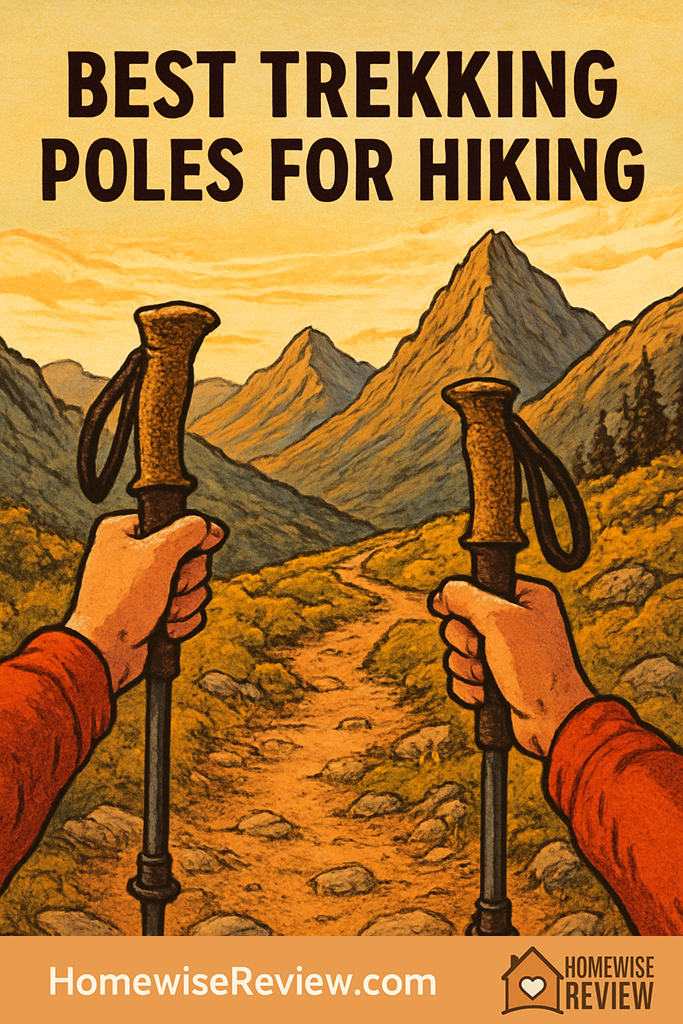
Steep descents, tired knees, and slick roots can turn a good hike into a grind. The right trekking poles add stability and take pressure off your joints without slowing you down.
✨ 2026 Spotlight
2026 Spotlight: This year’s attention is shifting toward lighter builds, faster lock systems, and more packable designs that still feel steady on uneven terrain. Models like the Black Diamond Distance Carbon Z Trekking/Running Poles continue to appeal to hikers and trail runners who want minimal bulk, while the MSR DynaLock Explore Backcountry Poles stand out for versatility when routes mix dirt, rock, and shoulder-season conditions. If comfort is your priority on long days, cork-grip favorites such as the Black Diamond Trail Ergo Cork Trekking Poles and LEKI Makalu Lite Trekking Poles still fit the moment well.
In-depth Reviews
Black Diamond Trail Ergo Cork Trekking Poles
- Very steady under load on rough terrain
- Comfortable grip shape for long downhills
- Easy, confidence-building adjustments mid-hike
- Not the lightest option for big-mile minimalists
- Ergonomic grip angle may feel unusual at first
LEKI Makalu Lite Trekking Poles
- Excellent grip and strap comfort over long hikes
- Stable feel when pushing uphill or bracing downhill
- Adjustments are straightforward and secure
- Typically pricier than comparable aluminum poles
- Bulkier to stow than folding designs
Cascade Mountain Tech Carbon Fiber Quick Lock Trekking Poles
- Impressive performance for the price
- Lever locks make setup simple and repeatable
- Good starter kit for mixed surfaces and seasons
- Less polished grip and strap feel than premium options
- Not ideal for frequent heavy impacts on rocky routes
MSR DynaLock Explore Backcountry Poles
- Trustworthy lock performance in wet, cold conditions
- Strong, stable support for rugged terrain
- Plays well with larger baskets for snow travel
- Heavier and less “nimble” than lighter carbon models
- Overkill for mellow, fair-weather trails
Black Diamond Distance Carbon Z Trekking/Running Poles
- Extremely low swing weight for long days
- Fast to fold and stow on a pack
- Clean, efficient feel on steady trail grades
- Fixed length is less flexible across steep terrain
- Less forgiving of hard side impacts than aluminum
Buying Guide
Pro Tip: Make Trekking Poles Feel Natural in 5 Minutes
Set your straps first, not last. Open the strap, slide your hand up from underneath, then rest your palm on the strap before closing your fingers around the grip. When the strap length is right, you can push down without clenching, which saves your forearms over long distances.
Adjust with the terrain instead of “set and forget.” Shorten slightly for sustained climbs so you can plant near your feet without lifting your shoulders. Lengthen slightly for long descents so you can keep your posture upright and use poles for balance rather than bending forward to reach the ground.
Practice a quiet plant. Aim for controlled, soft contact rather than stabbing the ground. A quieter plant usually means you are placing the tip where it supports your next step, which improves stability and reduces wasted energy.
💡 Editor’s Final Thoughts
Final Verdict: For most hikers, the Black Diamond Trail Ergo Cork is the top pick because it balances dependable stability, all-day comfort, and easy adjustments without feeling delicate. If you prioritize the lightest feel for big miles, step up to the Black Diamond Distance Carbon Z for a faster, more packable setup.
What makes a trekking pole worth carrying
Trekking poles are at their best when they fade into the background: they plant predictably, feel comfortable for hours, and adjust quickly when the trail changes. A great pair should help you feel steadier on uneven ground and more confident when you are tired, not give you one more fussy piece of gear to manage.
Focus on these factors before brand names:
- Lock reliability: A pole that slips mid-descent is worse than no pole at all. Lever locks are usually easier to set and verify at a glance.
- Comfort over time: Hot spots on your palms and numb fingers ruin long hikes. Grip shape, grip material, and strap fit matter more than most shoppers expect.
- Terrain match: The right tips and baskets help on rock, dirt, mud, and snow. You should not have to fight the pole to get a clean plant.
- Packability: If you sometimes stow poles for scrambles or town stops, folding designs can be a big quality-of-life upgrade.
Material choice: aluminum vs carbon fiber
Aluminum poles are the safe, durable default for most hikers. They usually tolerate impacts better, which is helpful on rocky trails or when poles get caught between boulders. If a section gets bent, aluminum is more likely to limp along until you get home.
Carbon fiber poles tend to feel lighter in the swing and can reduce arm fatigue on long days. The trade-off is that carbon is less forgiving of sharp impacts. If you hike rough terrain, travel often, or share gear with family, aluminum can be the lower-stress choice.
Locks and adjustability: prevent slip, save time
Most hikers will be happiest with a lever lock (sometimes called flick lock). It is fast to adjust with gloves, easier to tune in the field, and you can visually confirm it is closed. The key is making sure the lever tension is set correctly so the pole does not collapse under load.
Twist locks can work fine, but they are more likely to loosen when wet, gritty, or cold, and they can be harder to troubleshoot when you are tired. If you choose twist locks, you want a model known for strong internal hardware, not a bargain version that gradually spins loose.
Grip and strap fit: where comfort actually comes from
Grips are not just about “feel.” They change how your wrist and forearm align, especially on long descents where you lean on poles more. Cork and quality foam tend to manage sweat well and reduce friction over time. Rubber can be comfortable in cold weather but may feel sticky or hot in summer heat.
Do not ignore the wrist straps. When set correctly, straps carry a lot of the load so you are not death-gripping the handles. Adjust the strap so your hand comes up from underneath, then lightly close your fingers around the grip. If you are constantly squeezing, your strap setup is probably off.
Tips and baskets: small parts, big difference
The tip is your traction. Carbide tips bite well on dirt and rock, while rubber tip covers can quiet the click on rock and reduce wear on sensitive surfaces. Just know that rubber covers can slip on wet stone, so many hikers only use them on pavement or mellow paths.
Baskets are your “float.” Small trekking baskets are great for soft dirt and mud. If you hike in snow, a larger powder basket helps keep poles from punching straight down. Many good poles let you swap baskets, which is ideal if you hike year-round.
Common mistakes that make good poles feel bad
- Too long on descents: If your shoulders creep up or you feel jammed in the wrists, shorten your poles a bit when heading downhill.
- Planting behind you: A plant too far back turns poles into brakes. Aim to plant near your lead foot for stable support.
- Over-tightening locks: Cranking lever locks too hard can damage hardware over time. Tighten until secure, then stop.
- Ignoring tip wear: Rounded carbide tips slip more. Replace tips when traction noticeably drops.
See also
If you hike with an older trail buddy, pack smarter with our Best Treats for Senior Dogs guide.
- Gentle toothbrush picks for receding gums
- Clay masks that actually help with blackheads
- Drugstore shampoos to tame frizz
- Shampoo options for thinning hair
Frequently Asked Questions ▾
Do trekking poles really help your knees?
They can, especially on long or steep descents. Poles help you share some of the impact and stabilize each step, which often reduces the “braking” load that can aggravate knees. The biggest difference usually comes from consistent technique and correct pole length on downhills.
What is better for hiking: cork or foam grips?
Both work well. Cork tends to manage sweat and reduce friction over time, and many hikers like how it feels on long days. Foam is often lighter and can be very comfortable, especially if you like choking up on the grip during climbs. If you hike in hot weather or get blisters easily, prioritize whichever material feels less slippery in your hand.
Are folding Z-poles good for regular hiking?
Yes, if you value low weight and fast stow-and-go packability, and you do not need frequent length changes. Folding poles are popular for long miles and routes where you alternate between hiking and scrambling. If you often adjust length for big elevation changes or share poles with someone else, an adjustable telescoping pole is usually more convenient.
How tall should trekking poles be?
A common starting point is setting the grip height so your elbow is close to a right angle when the tip is on the ground near your foot. From there, adjust based on terrain: slightly shorter for uphill, slightly longer for downhill. Comfort is the goal, so fine-tune until your shoulders stay relaxed and you are not bending at the wrist.
How do you stop trekking poles from collapsing?
First, make sure each section is fully extended past any minimum-insert markings. Then increase lock tension gradually until the pole does not slip when you put your body weight on it. If slippage continues, clean dirt and grit off the shafts and lock components, since contamination can prevent a secure clamp.
As an Amazon Associate, we earn from qualifying purchases made through links on our site.