

Cafe-quality shots and fast automatic milk frothing in a compact unit that fits tight counters and smooths your everyday routine.
We may earn a small referral fee
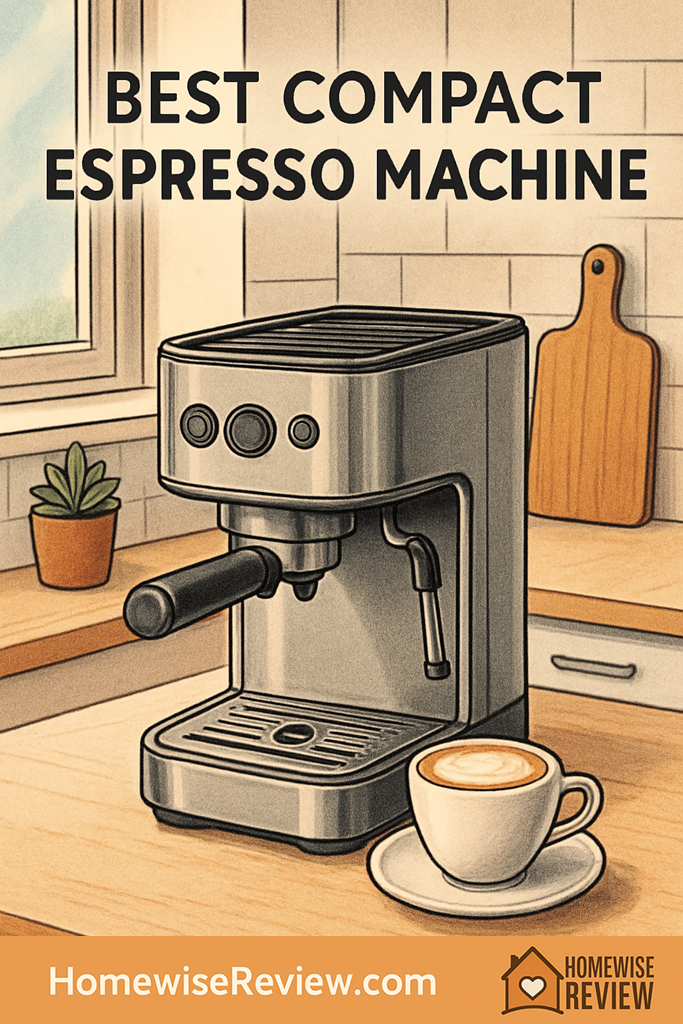
Great espresso should not require a giant machine or a full-time hobby. These compact picks fit real kitchens and still deliver satisfying shots and milk drinks with a workflow you can stick with.
✨ 2026 Spotlight
2026 Spotlight: This year’s compact-espresso conversation includes a few newer names worth a look alongside our established picks, especially the Ninja Luxe Café, which has drawn attention for packing espresso, drip, and milk frothing into a relatively tidy footprint. Shoppers who want an even slimmer setup may also want to compare the Casabrews CM5418, a budget-friendly machine that has become a notable small-space option. If your priority is keeping prep simple on crowded counters, these newer additions are worth considering while the models below remain strong choices.
In-depth Reviews
Breville Bambino Plus
- Fast, low-drama workflow for milk drinks
- Consistent shot behavior once dialed in
- Automatic frothing reduces the learning curve
- Less hands-on control than prosumer-style machines
- Accessories use a non-standard portafilter size
Breville Bambino
- Quick start-up encourages daily use
- Strong espresso potential for the size
- Simpler machine with fewer parts to fuss with
- Manual milk frothing requires practice
- Less convenient for back-to-back milk drinks
De’Longhi Dedica Arte (EC885)
- Extremely space-efficient footprint
- Easy to operate for everyday drinks
- Good option for occasional espresso households
- More limited accessory ecosystem
- Can be less forgiving when chasing high-end shot clarity
Gaggia Classic Pro
- Traditional espresso workflow with room to grow
- Strong community knowledge and parts support
- Great feel and control for hands-on users
- More warm-up patience required
- Learning curve is real if you want consistent milk texture
Flair Pro 2 Manual Espresso Maker
- True espresso with zero countertop appliance bulk
- Very high control once your routine is set
- Quiet and travel-friendly compared with electric machines
- More steps and preheating than electric machines
- No built-in steaming for milk drinks
Buying Guide
What We Wish We Knew Before Buying a Compact Espresso Machine
Plan your “espresso footprint,” not just the machine footprint. Even the smallest espresso setup needs space for a grinder, a tamper, a towel, and somewhere to knock out pucks. If you have only one clear spot, choose a machine that lets you refill the tank and load beans without pulling it forward every time.
Temperature routines matter more on small machines. A simple habit like warming the portafilter with a quick blank shot, drying the basket thoroughly, and pulling your shot immediately after grinding can do more for flavor than chasing endless settings. Compact machines reward consistency.
Milk drinks are mostly technique. With shorter wands and less room to swirl, use a smaller pitcher than you think you need and focus on creating a smooth vortex early. Once the milk feels warm, stop aerating and switch to texture, then tap and swirl before pouring. That one change fixes a lot of “big bubbles” frustration.
💡 Editor’s Final Thoughts
Final Verdict: The Breville Bambino Plus is the top pick because it delivers consistently satisfying espresso in a genuinely small footprint, and its milk workflow is hard to beat for busy mornings. If you want a slimmer machine above all, the De’Longhi Dedica Arte is the easiest way to reclaim counter space without giving up homemade espresso drinks.
How we picked the best compact espresso machines
“Compact” can mean a lot of things, so we prioritized machines that are genuinely easy to live with on a small counter: quick warm-up, consistent shot behavior, practical milk steaming, and cleanup that does not turn into a daily project. We also favored machines with a strong track record for parts availability and support, since small machines often get used hard.
What “compact” really means for espresso
Most compact espresso machines trade size for speed and simplicity. That often means a smaller thermoblock or a single boiler and less room to maneuver a large milk pitcher. You can still make excellent espresso, but you will get the best results by keeping your workflow tight and repeatable.
Also, “compact” does not remove the need for a grinder. If you want shots that taste sweet and balanced (not sour or bitter), plan on pairing your machine with a capable burr grinder and a simple scale.
Quick checklist before you buy
- Room for a scale under the cup: Many compact machines have low clearance. Make sure your usual cup plus a slim scale fits.
- Milk plan: If you make lattes daily, prioritize steam power and wand ergonomics over extra drink buttons.
- Basket ecosystem: A standard-size portafilter makes it easier to find baskets, tampers, and bottomless portafilters later.
- Temperature management: Compact machines can be excellent, but they reward simple routines (warm the portafilter, flush briefly, pull consistently).
- Maintenance access: You are more likely to descale and clean a machine that is easy to empty, wipe, and backflush (when supported).
See also
Water quality is the fastest way to improve (or ruin) espresso, so start with Best kitchen water filters for espresso and pair it with Best kitchen scales for coffee dosing for more consistent shots.
- Electric kettles worth buying (especially handy for manual espresso makers)
- Kitchen gadgets that truly earn their counter space
- Kitchen accessories that upgrade your espresso and daily cooking workflow
Frequently Asked Questions ▾
Do compact espresso machines make “real” espresso?
Yes, as long as the machine can generate stable brewing pressure and temperature and you pair it with the right grind. The biggest difference versus larger prosumer machines is usually workflow: compact machines may be less forgiving if you rush warm-up, skip a quick flush, or use inconsistent dosing.
Do I need a grinder, or can I use pre-ground coffee?
You will get the best espresso with a burr grinder because espresso is extremely sensitive to grind size. Pre-ground coffee can work in a pinch if you use a pressurized basket (many compact machines include one), but the flavor tends to be flatter and you will have less control over strength and extraction.
What is the easiest compact machine for lattes and cappuccinos?
Look for a machine with reliable steaming and a workflow that matches your mornings. An automatic milk system can remove the learning curve, while a strong manual steam wand gives you more control once you practice. For daily milk drinks, prioritize steam performance and consistency over extra drink presets.
Is a 58 mm portafilter important in a compact machine?
It is not mandatory, but it is convenient. A standard-size portafilter opens up more accessory options and makes it easier to follow common espresso recipes and techniques. Smaller portafilters can still produce great shots, but accessories and baskets can be more limited.
How often do compact espresso machines need cleaning or descaling?
Plan on quick daily basics (wipe the shower area, purge the steam wand, rinse the portafilter and basket) and a deeper clean regularly based on your use. Descaling depends heavily on your water hardness, which is why filtered water matters. If your machine supports backflushing, that is typically part of keeping the group clean and shots tasting fresh.
As an Amazon Associate, we earn from qualifying purchases made through links on our site.