

Pocket zoom and fast AF capture wide vistas and candid trail moments without changing lenses or slowing your hike.
We may earn a small referral fee
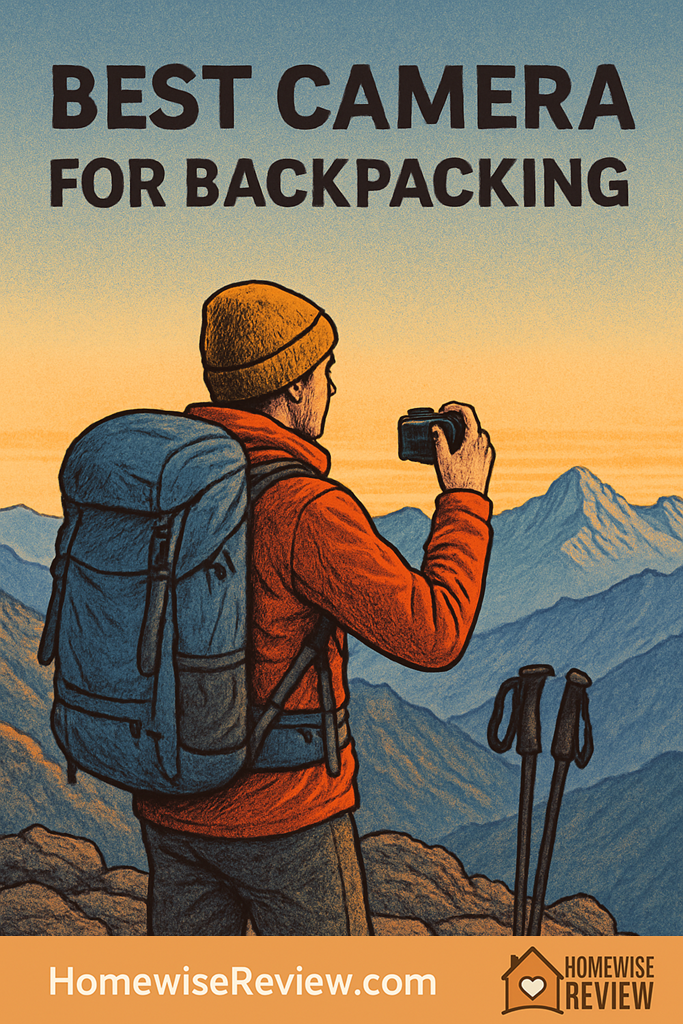
You want great trail photos without hauling a brick or worrying every time the weather turns. These backpacking-friendly cameras balance image quality, weight, durability, and real-world usability on the move.
✨ 2026 Spotlight
2026 Spotlight: If you want a fresh option to compare with the picks below, the DJI Osmo Pocket 3 stands out for backpackers who value stabilized video, quick grab-and-shoot convenience, and a tiny footprint in camp or on the trail. For hikers leaning toward interchangeable lenses, the Nikon Zf has drawn attention this year for pairing strong image quality with dependable autofocus in a body that still feels reasonable for longer carries.
In-depth Reviews
Sony RX100 VII
- Pocketable enough to stay accessible while hiking
- Versatile framing without carrying extra lenses
- Fast autofocus that handles moving subjects well
- Small controls can feel fiddly with gloves
- Not the best choice for very low light compared to larger sensors
OM System OM-5
- Strong stabilization for handheld trail shooting
- Smaller lens ecosystem helps keep pack weight down
- Confidence-inspiring build for rough conditions
- Less low-light headroom than larger sensors
- Wildlife tracking is not as strong as top sports bodies
Fujifilm X-T5
- Excellent detail for big scenic shots and crops
- Hands-on controls that are quick in the field
- Stabilization helps in dim trail light
- A practical kit gets heavy once you add lenses
- Weather protection depends on pairing with sealed lenses
Canon EOS R8
- Strong autofocus that is easy to trust quickly
- Great low-light image quality for evening camps
- Lightweight entry into full-frame
- No in-body stabilization
- A full-frame kit can balloon in size with zoom lenses
GoPro HERO12 Black
- Hands-free shooting for hikes, scrambles, and water
- Very effective stabilization while moving
- Rugged and easy to deploy quickly
- Low-light performance is limited
- Wide-angle look is not ideal for every scene
Buying Guide
Trail-Pro Packing and Power Tips (So Your Camera Actually Gets Used)
Make “accessible” your default. The best backpacking camera is the one you can grab in seconds. If a camera lives deep in your pack, you will skip the quick light changes that make photos feel special. Try a hip-belt pocket for a compact, or a chest carry clip or snug cross-body strap for a small mirrorless. Before you leave, practice pulling it out and putting it away while wearing your pack.
Build a weather routine you can do when tired. Pack a small microfiber cloth in an easy pocket and wipe the lens before every big scene, it matters more than most people think. For rain, use a lightweight stuff sack or roll-top dry bag as your “default home” inside the pack, then only expose the camera when you are ready to shoot. If your trip is likely to be wet all day, consider carrying the camera under your rain jacket between shots rather than leaving it out.
Plan power like you plan water. Set a simple rule: charge everything whenever you can, even if it is not empty. Turn off wireless features you are not using, dim the screen a notch, and carry one spare battery (or two if you shoot lots of video). If your camera charges via USB-C, a single power bank can cover phone, headlamp, and camera, which simplifies your whole kit.
💡 Editor’s Final Thoughts
Final verdict: For most backpackers, the Sony RX100 VII is the top pick because it is genuinely easy to carry yet still delivers versatile reach and fast capture when moments happen quickly. If you expect wet, messy conditions, the OM System OM-5 is the smarter trail companion thanks to its outdoors-first handling and stabilization.
See also
If you are rounding out your camp comfort kit, start with our best portable fans for camping and backpacking and pair it with walkie talkies that keep groups connected when you split up on trail.
- Solar lighting picks for easy campsite visibility
- Waterproof boots that handle damp, muddy approaches
- Compact heater options for chilly nights (when safe and permitted)
Frequently Asked Questions ▾
What matters most in a backpacking camera?
Weight and packability come first, because a camera that is annoying to carry usually stays in the pack. Next, prioritize fast, reliable autofocus and stabilization (either in-body or in-lens) so you can grab sharp shots at dawn, dusk, and under trees. Finally, consider weather resistance and battery strategy, especially for multi-day trips where charging time is limited.
Should I bring a compact camera or a mirrorless camera for backpacking?
A premium compact is usually the easiest “always-with-you” option, especially for hikers who want good photos without swapping lenses. Mirrorless makes sense when you care about specific looks, like wildlife reach, ultra-wide landscapes, or shallow depth of field, and you are willing to carry at least one extra lens and protect your kit. If you are torn, choose the option you will actually keep accessible while walking.
Do I need weather sealing, or is a dry bag enough?
Weather sealing helps with light rain, spray, and dusty trails, but it is not a free pass to ignore protection. A simple roll-top dry bag or waterproof stuff sack is still smart for sustained rain, river crossings, or when the camera rides inside a damp pack. Also remember that sealing is strongest when paired with a weather-resistant lens and properly closed ports and doors.
How do I manage batteries on a multi-day backpacking trip?
Start by turning off always-on features that quietly drain power, like constant wireless connections or continuous preview brightness. Carry at least one spare battery for interchangeable-lens cameras, and a USB power bank sized for your trip length. For action cameras and lots of video, plan extra capacity, because recording and stabilization can burn through batteries quickly.
What is the best way to carry a camera while hiking?
The best carry method is the one that keeps the camera accessible without swinging or bouncing. Many hikers do well with a chest carry clip or a cross-body strap tightened high, while compacts can live in a zippered hip belt pocket for quick pulls. Whatever you choose, add a simple rain cover option (even a small plastic bag) so you do not hesitate when the clouds roll in.
As an Amazon Associate, we earn from qualifying purchases made through links on our site.